01
Build trust first.
Relationships aren't a soft skill in complex businesses. They're operating infrastructure. Trust creates speed, makes difficult conversations possible and allows organizations to move from discussion to execution.
Franchise Executive
Operations Leader. Strategic Planner. Growth Motivator. Communicator. Integrator. Decision Maker.
Husband, Father, Franchise Exec, Traveler, Lover of Good Wine, Good Food, Architecture, Art, Knowledge, Sports, Business and Leadership.
Leadership
I have spent more than 25 years leading in complex, highly decentralized organizations where success depends on bringing together independent business owners, corporate teams, customers and strategic partners—often with competing priorities and very different perspectives.
The best leaders create clarity, earn trust and help people move together.
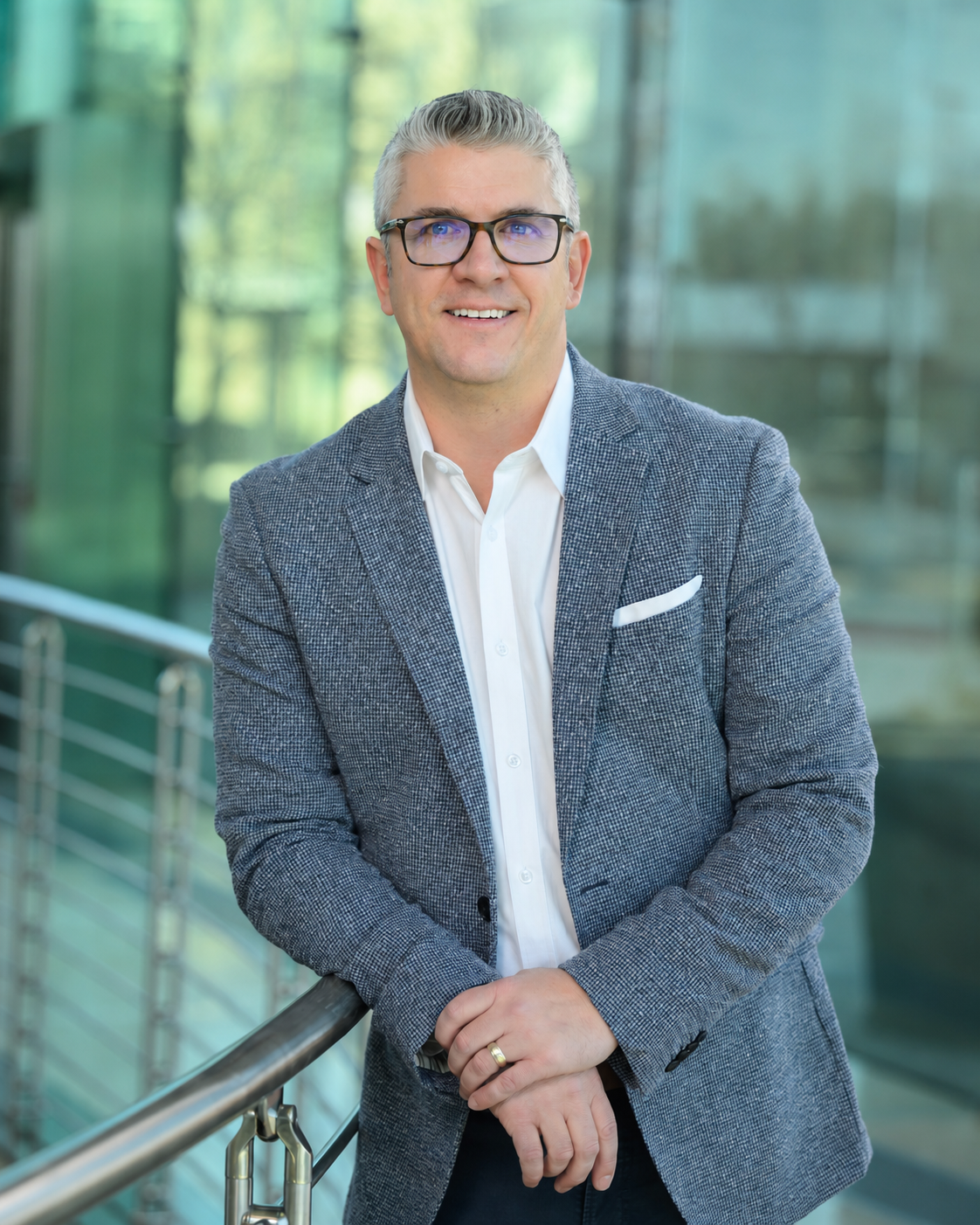
What shaped my approach
I have led businesses and teams through growth, transformation, acquisitions, market disruption and organizational change.
Across each of those environments, I have found that sustainable results come from listening well, understanding the business, making thoughtful decisions and creating enough alignment across the organization that people want to execute the strategy together.
My progression from finance and accounting through franchise development, regional operations and enterprise strategy shaped the way I lead today: financially grounded, operator-minded and practical about execution.
01 · How I Lead
Leadership principles
Relationships aren't a soft skill in complex businesses. They're operating infrastructure. Trust creates speed, makes difficult conversations possible and allows organizations to move from discussion to execution.
I enjoy strategy. I enjoy execution more. A strategy becomes valuable when people understand what it means for them, what needs to happen next and how success will be measured.
Some of the most complex organizations are ones where the people responsible for execution don't directly report to the people setting strategy. Leading in those environments taught me to build alignment through credibility, communication, negotiation and business logic.
Data cuts through noise. I look for proof points and patterns that show what is actually working—when people who do X consistently see Y, evidence creates a clearer path to action and better decisions.
Scale can create distance. I believe senior leaders have to actively resist it. Operators and customers often see opportunity, risk and friction before it becomes visible in corporate reporting.
One of leadership's most important responsibilities is creating more leaders: setting high expectations, providing context, giving people room to operate and building teams capable of making strong decisions without dependence on one person.
02 · The Operator's Perspective
Enterprise + local execution
I've spent much of my career working at that intersection.
Corporate organizations need consistency, scale, financial discipline and strategic alignment. Independent operators need flexibility, speed, relevance and the freedom to run their businesses.
Both perspectives can be right.
The leadership challenge is finding the place where they create value together. That has required everything from business planning and financial analysis to contract negotiation, customer experience, performance management, field execution, strategic partnerships and organizational transformation.
03 · Beyond the Business
The business behind the leadership
I'm naturally interested in how businesses work, why people make the decisions they do and what separates organizations that consistently execute from those that don't.
That curiosity extends well beyond work. Travel, architecture, art, sports, food and wine all give me opportunities to experience businesses, cultures and customer experiences differently. And being a husband and father provides the perspective that ultimately matters most.
The experiences outside of work shape the leader I bring to it.
04 · Capabilities
What I bring to the table
Leading large, distributed organizations with multiple stakeholders and markets.
Building credibility with entrepreneurs and independent business owners.
Connecting strategic decisions to financial outcomes.
Designing organizations around customer value, service and retention.
Helping businesses scale, adapt and navigate significant change.
Creating alignment across executives, operators, teams and partners.
Great businesses are built by people who believe in where they're going.